
Do Solar Panels Work During the Monsoon?
- Greendrops Admin
- 08 Jan, 2026
Living in Kerala means enjoying lush greenery, but it also means enduring months of heavy monsoon rains. For homeowners considering a solar rooftop system, this raises a critical question: “Will my investment become useless during the rainy season?”
It is a valid concern, but the short answer is: No, your solar panels do not stop working when it rains. In fact, rain can sometimes be beneficial for your system. Let’s debunk the myths and look at the science of solar power in cloudy weather.
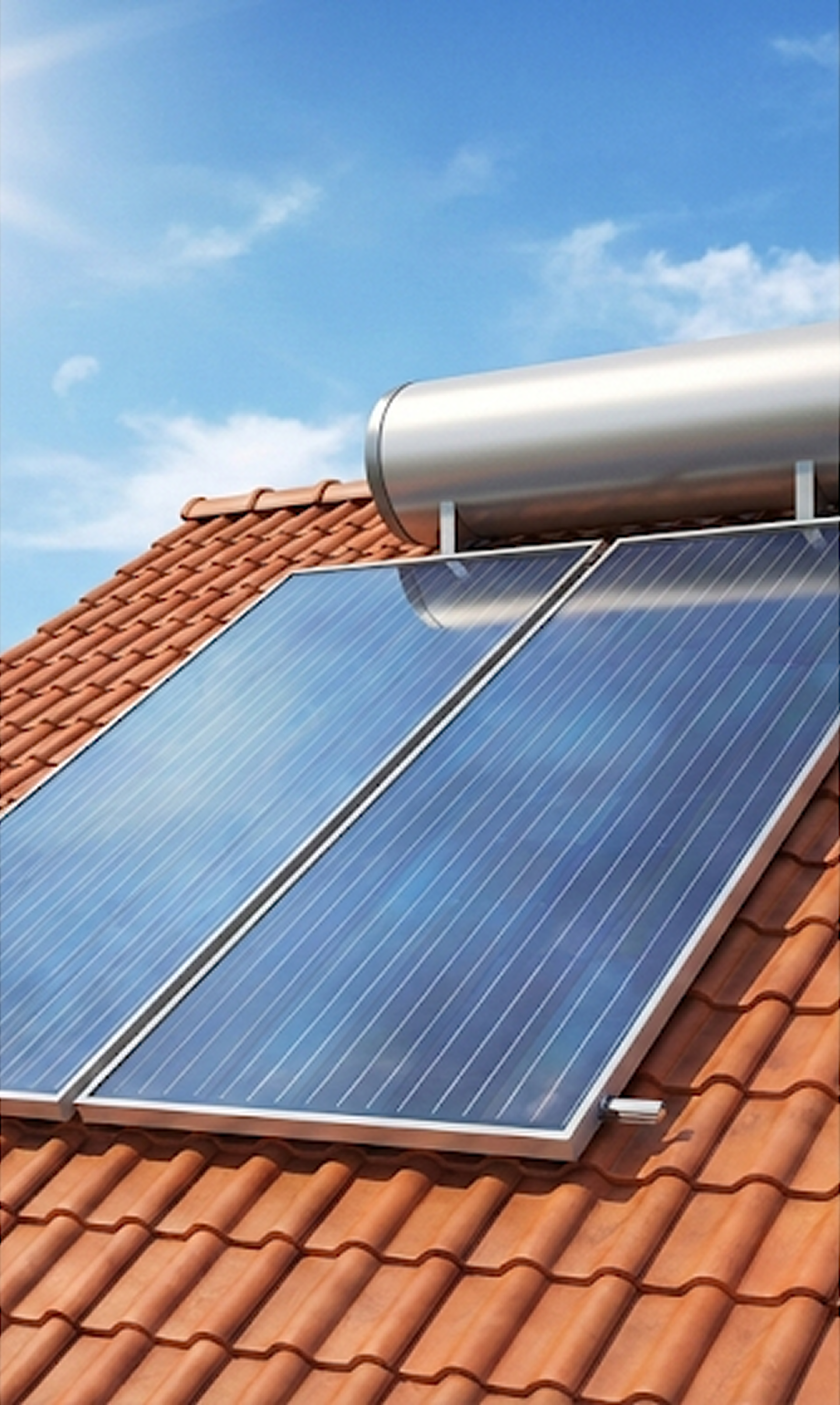
Light vs. Heat A common misconception is that solar panels need heat to generate electricity. This is false. Solar panels are "Photovoltaic" (PV) devices, meaning they convert light (photons) into electricity. They actually work more efficiently in cooler temperatures. Extreme heat can reduce voltage and lower efficiency. During the monsoon, while direct sunlight is blocked by clouds, daylight is still present. Solar panels can capture this diffuse/scattered light to generate power.
The Efficiency Drop: Real Numbers While the system continues to work, you cannot expect peak performance.
Sunny Day: 100% capacity generation.
Cloudy/Overcast Day: 25% to 40% generation.
Heavy Rain: 10% to 15% generation. While generation drops, it rarely hits zero during the day. A 3kW system that generates 12-14 units on a sunny day might still generate 3-5 units on a cloudy monsoon day. This is often enough to keep basic lights and the fridge running.
The "Free Cleaning" Service One hidden advantage of the monsoon is maintenance. During dry months, dust, bird droppings, and pollen accumulate on the glass surface of the panels. This layer of dirt blocks sunlight and can reduce efficiency by up to 15%. Heavy monsoon rains act as a natural high-pressure wash. They scrub the panels clean, ensuring that the moment the sun peeks out, your panels are operating at maximum efficiency without you having to pay for professional cleaning.
The Role of Net Metering The beauty of an On-Grid solar system lies in "Net Metering." You don't need to worry if your generation is low in July or August. During the scorching summer months of March, April, and May, your system will likely generate far more electricity than you consume. This excess is "banked" with KSEB. During the monsoon, when your generation is low, you draw from this banked credit.
Solar energy is a year-round calculation. Don't let a few months of rain discourage you from decades of free electricity. Modern panels are built to withstand the elements and keep your lights on, rain or shine.